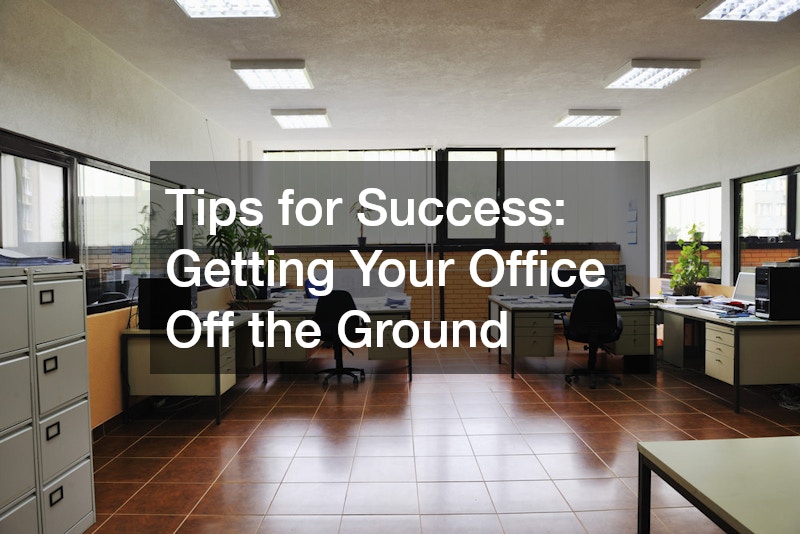
Starting a new office is both exciting and challenging. Success begins with careful planning, strategic decision-making, and a focus on creating a productive, positive environment for employees. From choosing the right location to integrating the latest technologies and fostering a strong organizational culture, every decision can impact your office’s performance. This guide explores essential steps to set your office up for success, helping you build a foundation that supports growth and efficiency.
How Do I Choose the Right Location For My Office?

Understand Your Business Needs
The first step in selecting an office location is understanding the specific needs of your business. Consider the type of operations you run, the number of employees, and how often clients or partners will visit. For example, businesses that rely on frequent client interaction may benefit from a visible location downtown, while companies with primarily remote teams could prioritize lower-cost areas. Integrating payroll services for small business into your planning can ensure employee satisfaction with commuting considerations and accessibility.
Consider Accessibility For Employees And Clients
An office location must be convenient for both employees and clients. Easy access to public transportation, ample parking, and safe pedestrian pathways improve daily commuting experiences. This accessibility supports employee retention and encourages client engagement. Accessibility considerations also extend to clients requiring services like document shredding company solutions, which may be easier to coordinate in centrally located offices.
Evaluate The Cost Implications
Office costs extend beyond rent. Consider property taxes, utility rates, and maintenance fees when evaluating potential spaces. Budgeting for technology upgrades, office furniture, and commercial awning installations can impact your decision. Engaging a business law firm early can help you navigate lease agreements, ensuring your office space aligns with long-term financial goals.
Research Local Amenities And Services
The surrounding area of your office can influence productivity and employee satisfaction. Nearby restaurants, gyms, banks, and postal services create convenience and enhance work-life balance. Access to local sign company services can also ensure your office signage is professional and visible to clients, improving branding and local presence.
Analyze The Potential For Future Growth
Your office should support expansion. Evaluate whether nearby properties or additional floors are available if your team grows. A flexible space accommodates technological upgrades, additional furniture, or access control installations. Planning for growth from the outset minimizes future disruptions and ensures long-term operational efficiency.
What Are The Key Essentials For Office Infrastructure?
Essential Furniture And Equipment
A well-equipped office supports productivity. Desks, chairs, filing cabinets, and meeting tables are foundational, but specialized equipment may also be necessary. Investing in custom illuminated signs or consulting a custom printing company for branded office materials enhances both functionality and corporate identity.
Importance Of Reliable Internet Connectivity
Modern businesses depend on uninterrupted internet connectivity. High-speed networks enable smooth communication, cloud storage access, and seamless video conferencing. Partnering with commercial general contractor teams during office build-outs can ensure structured wiring and network infrastructure meet current and future needs.
Ergonomics In The Workplace
Employee comfort directly influences productivity. Ergonomic chairs, adjustable desks, and monitor stands reduce strain and prevent injury. Businesses can integrate wellness-focused design with services like computer recycling to replace outdated equipment, promoting both employee health and environmental responsibility.
Energy-Efficient Solutions
Incorporating energy-efficient lighting, HVAC systems, and appliances reduces operational costs and environmental impact. Strategic placement of windows and installation of commercial awning systems can regulate temperature and natural lighting, contributing to a sustainable office environment.
Flexible Workspace Options
Flexibility accommodates diverse work styles. Open spaces, private offices, and collaborative zones allow employees to choose the environment that suits their tasks. Flexible design also supports remote work tools and access control systems, ensuring security without limiting mobility.
How Can I Design A Productive Office Layout?
Open Space Vs. Cubicles
Deciding between open spaces and cubicles depends on your office culture. Open layouts encourage collaboration, while cubicles provide privacy for focused work. Combining both approaches can balance interaction and concentration, fostering productivity across teams.
Incorporating Collaborative Zones
Dedicated areas for brainstorming and teamwork improve innovation. Conference rooms, whiteboard stations, and breakout areas encourage dynamic engagement. Collaborative zones also benefit from custom printing company services for branded materials and visual aids.
Importance Of Natural Lighting
Natural light enhances mood and reduces eye strain. Positioning desks near windows or using glass partitions maximizes sunlight exposure. Supplementing with smart office automation for lighting controls ensures consistent illumination throughout the day.
Design For Acoustics And Noise Control
Excessive noise can hinder concentration. Acoustic panels, soundproofing, and strategic furniture placement create a balanced auditory environment. Access control measures further minimize disruptions by managing traffic flow and limiting unauthorized access to sensitive areas.
Include Breakout Areas For Relaxation
Breakout spaces encourage employees to recharge. Comfortable seating, refreshment stations, and casual meeting areas reduce stress and support mental wellness initiatives. Integrating computer recycling programs in these areas can promote sustainability through creative use of repurposed technology.
Which Technologies Should I Implement In My Office?
Choosing The Right Communication Tools
Efficient communication is essential. Messaging platforms, video conferencing software, and collaborative applications streamline workflows. Incorporating payroll services for small business ensures secure and accurate communication regarding employee compensation and benefits.
Implementing Cloud Storage Solutions
Cloud storage enables remote access to files and simplifies collaboration. Reliable cloud systems complement cybersecurity measures and allow employees to work from multiple locations, integrating seamlessly with access control systems for secure file management.
Cybersecurity Measures For Protection
Protecting sensitive data is critical. Firewalls, encryption, and regular security audits reduce vulnerability. Business law firm consultations can ensure compliance with privacy regulations, safeguarding client and employee information.
Smart Office Automation Options
Automating lighting, temperature, and security improves efficiency and comfort. Integration with access control systems enhances security while optimizing energy use. Smart automation also supports commercial general contractor initiatives by streamlining building management systems.
Incorporating Remote Work Tools
Remote work flexibility requires reliable communication software, secure VPNs, and project management platforms. Cloud-based solutions paired with effective document shredding company protocols ensure secure handling of confidential materials, even outside the office.
How Can I Create A Positive Organizational Culture?
Importance Of Shared Company Values
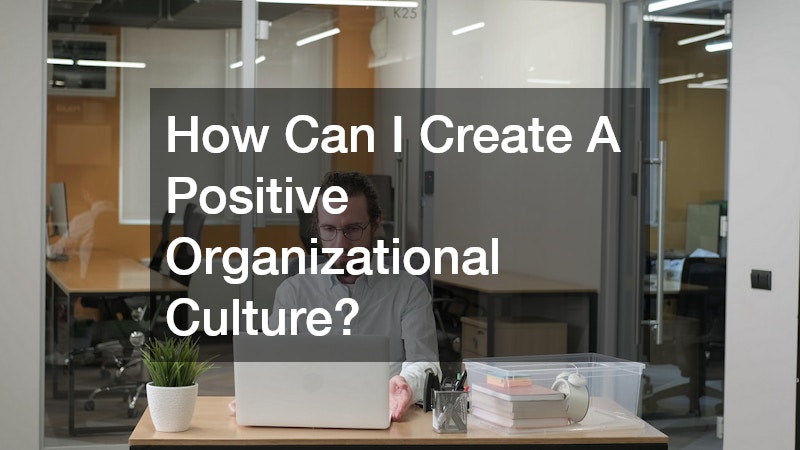
A strong culture starts with shared values. Clearly communicated principles guide behavior, decision-making, and teamwork. Aligning values with initiatives like corporate sustainability, including computer recycling programs, reinforces commitment to social responsibility.
Encouraging Open Communication
Transparent communication fosters trust and collaboration. Regular team meetings, digital platforms, and feedback mechanisms ensure everyone is informed. Local sign company services can enhance visual communication throughout the office with clear wayfinding and informational signage.
Building A Culture Of Recognition
Acknowledging employee achievements motivates and retains talent. Recognition programs, rewards, and public acknowledgment contribute to a supportive environment. Integrating custom illuminated signs in recognition areas can highlight accomplishments and boost morale.
Creating Diversity And Inclusion Policies
Inclusive workplaces encourage creativity and engagement. Establishing policies, training, and initiatives that promote diversity ensures all employees feel valued. Partnering with a business law firm can guide compliance with relevant employment regulations and ethical standards.
Supporting Work-Life Balance
Encouraging flexible hours, remote work, and wellness initiatives improves employee satisfaction. Incorporating collaborative and relaxation zones supports balanced workloads while maintaining productivity, ensuring employees feel valued both professionally and personally.
What Are Effective Ways To Manage Office Expenses?
Budgeting And Financial Forecasting
Accurate budgeting ensures sustainable operations. Forecasting costs for furniture, technology, and commercial awning installations allows proactive financial planning. Payroll services for small business can also help manage employee compensation efficiently within budget constraints.
Monitoring Office Expenses Regularly
Tracking utility bills, office supplies, and service contracts ensures cost control. Regular reviews prevent overspending and identify opportunities for savings. A custom printing company can help produce cost-effective marketing materials without compromising quality.
Energy-Saving Strategies
Implementing energy-efficient solutions, such as LED lighting and smart thermostats, reduces utility expenses. Commercial general contractor guidance can optimize energy systems during construction or renovations, resulting in long-term savings.
Negotiating Vendor Contracts
Strong vendor relationships and effective negotiation lead to cost efficiencies. Whether procuring office supplies, technology, or document shredding company services, thoughtful contract management protects budgets and enhances service quality.
Consider Coworking Spaces To Reduce Costs
For startups or small teams, coworking spaces offer flexibility and lower overhead costs. These arrangements provide access to essential infrastructure without long-term commitments, complementing strategies for office growth and operational efficiency.
How Do I Hire The Right People For My Office?

Defining Clear Job Roles And Responsibilities
Well-defined roles ensure employees understand expectations and objectives. Clarifying responsibilities reduces overlap and enhances productivity. A business law firm can provide guidance on employment contracts and compliance with labor regulations.
Enhancing Recruitment Strategies
Effective recruitment strategies attract top talent. Leveraging social media, networking events, and staffing agencies broadens reach. Promoting your office with custom illuminated signs or a local sign company can strengthen employer branding.
Conducting Effective Interviews
Structured interviews assess candidates’ skills, experience, and cultural fit. Competency-based questions and scenario exercises help identify individuals aligned with organizational goals. Including technology assessments may involve computer recycling knowledge or relevant technical skills.
Onboarding And Training New Employees
Comprehensive onboarding ensures smooth transitions for new hires. Training programs, mentorship, and clear guidance equip employees with necessary tools. Access control systems can be included in training to ensure security and operational compliance from day one.
Retention Strategies For Top Talent
Retention relies on professional development, recognition, and a positive culture. Opportunities for advancement, wellness initiatives, and flexible work arrangements contribute to long-term satisfaction. Payroll services for small business support consistent compensation and benefits, reinforcing trust and loyalty.
What Are The Best Practices For Office Safety And Health?
Implementing Safety Protocols
Workplace safety protects employees and reduces liability. Clear protocols, signage from a local sign company, and training programs ensure awareness and compliance. Commercial general contractor consultations can guide structural safety measures during office setup or renovation.
Regular Health And Safety Audits
Periodic audits identify risks and improve compliance. Evaluating ergonomic setups, fire safety systems, and building integrity ensures a safe working environment. Document shredding company practices can also be reviewed to safeguard sensitive information securely.
Ergonomic Assessments And Adjustments
Routine ergonomic assessments prevent strain and injury. Adjustable desks, proper chair support, and monitor positioning create comfortable workspaces. Integrating computer recycling programs allows the replacement of outdated equipment with ergonomically sound alternatives.
Promoting Mental Wellness At Work
Employee well-being extends beyond physical health. Initiatives such as mindfulness programs, quiet zones, and wellness workshops foster mental health. Access control measures contribute indirectly by creating a secure and controlled environment that reduces stress.
Emergency Preparedness And Response
Preparedness plans protect employees during unforeseen events. Fire drills, evacuation routes, and emergency supply kits are critical. Local sign company services can produce clear safety signage, guiding employees efficiently in case of emergency.
How Can I Ensure Effective Office Communication?
Selecting The Right Communication Platforms
Choosing suitable platforms supports collaboration and reduces miscommunication. Email, chat tools, and video conferencing integrate seamlessly into daily operations. Cloud storage and document shredding company protocols complement these systems by ensuring secure document handling.
Encouraging Regular Team Meetings
Frequent meetings keep everyone aligned and informed. Weekly or monthly check-ins support project tracking, goal alignment, and collaborative problem-solving. Integrating collaborative zones enhances the effectiveness of these sessions.
Implementing Feedback Mechanisms
Feedback fosters growth and continuous improvement. Anonymous surveys, suggestion boxes, and one-on-one sessions provide valuable insights. Custom printing company solutions can create visually engaging feedback forms to encourage participation.
Training In Communication Skills
Effective communication requires ongoing development. Training programs focus on writing, speaking, and active listening. Local sign company services can reinforce key messages through visual cues and reminders throughout the office.
Balancing Digital And Face-To-Face Interactions
A mix of digital and in-person communication supports clarity and engagement. While remote tools are efficient, face-to-face interaction nurtures relationships and strengthens culture. Access control systems ensure confidential discussions occur in appropriate spaces.
What Strategies Can Enhance Team Productivity?
Setting Clear Goals And Objectives
Clear objectives align efforts and measure success. Goal-setting frameworks, project timelines, and performance metrics provide direction. Commercial general contractor timelines or vendor coordination can be integrated into strategic planning for efficient execution.
Time Management Techniques
Effective time management optimizes workflow. Prioritization, scheduling tools, and structured breaks prevent burnout. Payroll services for small business help track hours and project allocations, ensuring efficiency across teams.
Implementing Project Management Tools
Project management software organizes tasks, deadlines, and collaboration. Integrating these tools enhances transparency and accountability. Custom printing company resources can provide templates, charts, and reports to supplement digital tools.
Encouraging Skill Development
Continuous learning improves performance. Training, workshops, and mentorship programs cultivate expertise. Supporting computer recycling initiatives encourages employees to learn sustainable technology practices while upgrading office systems.
Fostering A Motivating Work Environment
A motivating environment balances challenges with support. Recognition programs, collaborative spaces, and comfortable workstations maintain engagement. Custom illuminated signs or a local sign company can highlight achievements and communicate inspirational messages throughout the office.
Launching a successful office requires thoughtful planning, investment in infrastructure, and a focus on people. From selecting the right location and designing functional spaces to integrating technology, fostering culture, and managing expenses, each step contributes to long-term success. Leveraging services such as payroll services for small businesses, custom illuminated signs, commercial awning installations, a document shredding company, computer recycling, access control, commercial general contractor expertise, and consulting a business law firm ensures your office operates efficiently, safely, and effectively. By addressing these critical areas, you can create a productive, positive, and future-ready workplace that supports growth and innovation