
For new business owners, understanding the importance of building maintenance is essential. Keeping your property in good condition not only ensures a safe and efficient workspace but also helps prevent costly repairs down the line. This article highlights key maintenance priorities to help your premises run smoothly and support long-term operational success.
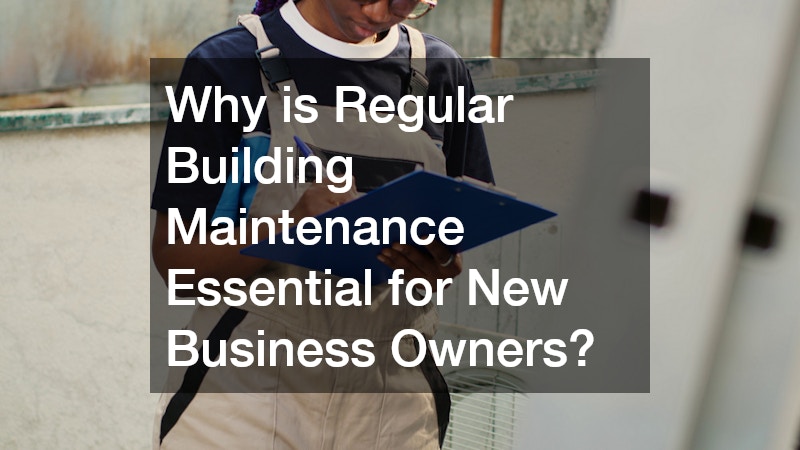
1. Why is Regular Building Maintenance Essential for New Business Owners?
A. Cost Implications of Poor Maintenance
Neglecting building maintenance can significantly impact financial statements. Issues such as a cracked foundation or leaky roof can result in exorbitant repair costs. Utilizing a building maintenance service is essential to mitigating long-term expenses.
Regular checks by a building maintenance service can prevent minor issues from snowballing into major repair projects. In particular, critical components like commercial water heaters require attention to avoid costly disruptions. Action taken by an elevator maintenance company can also avoid kludgy elevator operations.
Engaging in preventive measures, like those offered by commercial paving services, can extend the life of your property. Prompt attention prevents costly repairs and protects the business owner’s investment. Therefore, regular building maintenance checks are financially prudent.
B. Impact on Business Operations
Building maintenance impacts daily business operations in major ways. A faulty HVAC system can distract and disrupt workflow, requiring immediate maintenance. Utilizing roll off dumpster rental services effectively manages waste and supports smooth building operations.
Operational delays, particularly in services like fire equipment services, can jeopardize business efficiency. A comprehensive maintenance plan ensures seamless operation by mitigating interruptions. Prioritizing these small details can prevent larger issues in the business landscape.
Regular contracting with a building maintenance service sustains an efficient working environment. The ambient temperature, lighting, and general environmental controls are critical to maintaining productivity. Functional premises underpin a thriving business.
C. Health and Safety Concerns
Prioritizing building maintenance is critical for addressing health and safety concerns. Regular inspections for hazards like asbestos should be conducted by a licensed asbestos detection service. Maintaining a safe space reduces the risk of accidents, which can lead to lawsuits.
Routine inspection of systems, such as commercial generators, identifies potential risks before they escalate. This practice contributes to a safe working environment. Fire equipment services must be regularly checked to maintain safety and compliance with regulations.
Ensuring compliance with health and safety is essential for legal and operational efficacy. Keeping up with local building codes, like those affecting commercial window tinting, provides protection and peace of mind. It is imperative to prioritize areas of safety in the upkeep of the building.
D. Maintaining Property Value
Continued building maintenance is vital for preserving property value. Regularly scheduled maintenance prevents the depreciation of critical infrastructure. For example, timely commercial generator repair can extend equipment lifespan.
Building upkeep activities positively impact the perceived value of the property. Engaging a commercial paving service can enhance the exterior aesthetics and functionality of the property. A clean, well-maintained commercial space is more appealing to potential customers and renters.
Ultimately, property value is directly influenced by proactive maintenance efforts. This can ensure effective longevity and maintain a competitive edge in the market. The approach to maintenance should include various services, including roll off dumpster rentals and commercial snow removal.
2. What Are the Basic Maintenance Tasks New Business Owners Should Know?
A. Routine Inspections
Implementing routine inspections is a foundation of building maintenance. These inspections reveal the early stages of wear and tear before they evolve into more significant problems. Especially for a new business owner, an inspection by a building maintenance service can provide insight into the condition of the premises.
During an inspection, areas such as plumbing, electrical systems, and structural integrity should be the main focus. Licensed professionals can identify potential pitfalls that may not be evident to the untrained eye. It’s crucial to spot issues early to avoid costly repairs down the line.
Routine inspections contribute to operational efficiency by identifying quick fixes before they hinder productivity. For example, a simple pipe leak caught early can prevent water damage that would result in high repair costs. Ultimately, staying proactive can preserve resources and improve workspace safety.
B. HVAC System Maintenance
Maintaining an efficient HVAC system is vital for both comfort and energy savings. Regular maintenance checks ensure the system is operating at peak efficiency, leading to reduced energy expenditures. New business owners should understand the significance of consistent HVAC maintenance.
Scheduled servicing of HVAC systems can also extend their lifespan and reliability. Neglecting HVAC upkeep may lead to larger problems such as complete system failures or inefficient energy use. Using a professional building maintenance service will ensure systems are running smoothly.
Regular filter cleaning, duct inspections, and system performance checks contribute to an optimal indoor environment. This upkeep directly impacts employee productivity and customer comfort. The effectiveness of HVAC systems plays a significant role in building maintenance priorities.
C. Plumbing System Checks
Plumbing maintenance is another critical aspect of building upkeep. A plumbing system malfunction may lead to extensive water damage and costly repairs. Regular checks by a qualified professional can prevent leaks and running costs.
Commercial water heaters are often integral components of plumbing systems. Ensuring these units are regularly serviced can provide seamless hot water delivery. Responsibility in maintaining plumbing contributes to a better-managed and more comfortable commercial environment.
Minor plumbing issues, when ignored, can balloon into major catastrophes. Leaks, clogged drains, or inefficient fixtures can disrupt business operations. Comprehensive plumbing checks offer peace of mind and safeguard against operations being impeded due to plumbing failures.
D. Electrical Systems
Regular maintenance of electrical systems is crucial for building safety and energy efficiency. Routine inspections can prevent faulty wiring or short circuits that may result in electrical fires. This necessitates hiring a skilled electrician well-versed in building codes and regulatory requirements.
Electrical system updates ensure that everything from lighting to commercial generators functions effectively. Proper management of electrical systems is essential in businesses reliant on consistent power supply. Energy efficiency upgrades can further create savings in the long run.
Building owners should also engage professionals to assess the electrical load and capacity within their building. Advanced systems and fault detection improve efficiency, saving on utilities. Supporting this component of building maintenance keeps operations running and prevents downtime.

3. How Can Preventative Maintenance Save Money in the Long Run?
A. Identifying Potential Issues Early
Preventative maintenance is proactive, aiming to address issues before they exacerbate. Early identification of potential problems reduces the likelihood of costly emergency repairs. A building maintenance service provides invaluable insights that identify these concerns before unraveling into significant issues.
Common preventative measures, like inspecting HVAC systems, mitigate larger falls in productivity. Early investments in identifying minor defects are less costly than repairing entire systems. Commercial snow removal services ensure that properties remain hazard-free during susceptible seasons.
Responsive maintenance enables consistent operations without the downtime or disturbances of unanticipated events. With a strategic plan, companies can operate smoothly without interruption. Preventative actions safeguard a business’s future against unforeseen disasters.
B. Reducing Unexpected Repair Costs
Engaging in preventive maintenance significantly decreases unexpected repair expenses. Routine upkeep ensures problems are addressed as they arise, minimizing disruptions. Unexpected repair costs generally accompany neglected maintenance tasks and deteriorate business operation efficiency.
By scheduling regular checks and maintenance intervals, businesses can budget and brace for these expenses. Commercial generator repair constitutes regular check-ups, averting breakdowns, and preserving functionality. Additional services, like roll off dumpster rental, streamline operational considerations.
Minimized repair costs translate into potential savings, which may be redirected into other business sectors. Affording the inconvenience of sudden workplace disruptions is cumbersome but avoidable. This preparedness ensures ongoing, seamless performance across various business facets.
C. Extending Equipment Lifespan
Preventative maintenance efforts contribute to significantly longer equipment lifespan. Consistent attention slows down natural wear and tear, making significant repairs less frequent. Maintaining elements such as HVAC or plumbing systems demands regular professional oversight.
Commercial environments require that equipment function reliably for extended periods. Regular servicing and commercial generator repair services also extend life and efficiency. New business owners are also advised to implement routine maintenance schedules for crucial elements like electrical systems.
Achieving longevity and dependable equipment performance reduces the necessity of premature replacements. Businesses should ensure that equipment like commercial water heaters undergo regular checks. An elongated lifecycle confirms the equipment’s longevity and reliability.
D. Improving Efficiency
Enhancing operational efficiencies stands as a pivotal outcome of routine and preventative maintenance. Well-maintained systems yield better consumption, reducing energy waste. An efficient environment, like upgraded commercial window tinting, saves on heating and cooling costs.
Efficiency improvements extend beyond cost management, also reducing the environmental footprint. Implement measures such as using technologically smart building systems. Applications of solutions in commercial paving services are increasingly seen as efficient investments.
Finally, integrating predictive maintenance tools secures an optimized routine. Efficiency affects all operational facets, emphasizing why optimized maintenance is crucial. Businesses optimize their environments, producing optimal results financially and operationally.
4. What Role Does a Building Maintenance Checklist Play?
A. Ensuring Consistency in Maintenance
Implementing a building maintenance checklist guarantees systematic attention to essential tasks. This tool provides new business owners with goals to ensure consistent maintenance. The checklist minimizes neglected tasks, outlining clearly defined responsibilities across the maintenance spectrum.
Scheduling necessary routine checks contributes significantly to building operational efficiency. A checklist acts as a concrete reference by organizing duties and improving compliance efficiency. From plumbing inspections to commercial generator repairs, adherence to a checklist maintains effective management.
Maintaining consistency helps prevent minor issues from expanding into operation-threatening problems. Nothing remains unchecked, and structured scheduling prevents lapses. Utilizing a checklist without overlooking any minute detail is indispensable to preserving building health.
B. Helping with Budgeting and Planning
Runnable building maintenance checklists assist in effective budgeting and financial planning. Identifying recurring expenses and scheduling future maintenance reduces unseen disruptions. Set allocations cover tasks, ensuring uninterrupted business operation.
With fund allocation precise, budgets accommodate preventative checks without overshadowing other requirements. Engaging an elevator maintenance company or conducting asbestos detection services demonstrates financially guided foresight. Balanced, scheduled upkeep fosters greater managerial control over assets.
Failure to plan may lead to unforeseen significant expenditure, creating financial strain. Incorporate budgeting discipline within maintenance schedules to achieve business goals. Proactive financial planning transcends mere maintenance considerations, contributing to future business successes.
C. Tracking Maintenance Activities
A checklist significantly aids in the organization and tracking of necessary activities. Regular updates to records confirm insight into completed, pending, or upcoming tasks. New business owners find this tracking invaluable for efficient project management.
Tracking activities close progress loops, delivering a clear summary of care and attention. Emergencies demand quick responses; maintenance logs ensure problem-solving precedencies are triaged. An extensive record fosters accountability, transferring essential maintenance knowledge if required.
Effective tracking uncovers inefficiencies, improving service deliverability. A comprehensive database provides actionable insights relevant to all building operations. This visibility increases management’s ability to preemptively respond to issues that might occur.
D. Prioritizing Tasks Effectively
Identifying and strategically prioritizing tasks within a building maintenance checklist is critical. The checklist predominantly highlights tasks sensitive to degradation over time. High-priority tasks require accelerated attention, while others ensure sustained building quality.
Task prioritization underlines efficient utility of resources, ensuring focus on the most impactful issues first. Elevated issues receive the required managerial input through planned resolutions. Elevate facility care by leveraging a balance of urgency and response time.
Priority influences actions, yielding sustainable building practices that encourage longevity and dependability. Careful orchestration manages maintenance operations, skillfully aligning resources flexibly. Prioritizing such tasks cements a forward-thinking strategy attentive to maintaining value over time.

5. How Often Should Different Maintenance Activities Be Performed?
A. Daily Maintenance Tasks
Daily maintenance ensures that routine operations are executed seamlessly. Building maintenance service plans often include specific daily tasks to uphold functioning premises. Cleaner daily environments support employees’ productivity and consumer satisfaction significantly.
Quality building maintenance service practices integrate daily cleaning routines, ensuring unobstructed commercial spaces. Regular checks also facilitate swift response times when evident issues arise. Many activities focus on basic tasks like basic cleaning and ensuring entrance areas remain clear.
Such an approach to daily tasks focuses on disorder mitigation, building long-term relationships that promote efficiency. Business owners should provide guidance and set standards for employees conducting building upkeep regularly. Formulating effective daily routines remains excellent for ensuring predictable returns.
B. Weekly Maintenance Activities
Weekly maintenance steps compound daily efforts, attending to larger commitments. Weekly obligations include deeper cleaning and organizational tasks, topped with function-specific checks. Such activities are designed to sustain orderliness and quality assurance.
Tasked operations completed as per weekly frequency involve commercial areas such as office windows. Superficial cleaning gives way to professional cleaning, such as commercial window tinting, aiming to maintain aesthetics and energy efficiency. This cleaning ensures more ideal indoor lighting and a conducive work environment.
Maintenance service plans incorporate systematic assessments like HVAC system reviews during weekly action cycles. The exposure of wear enables preparedness in planning and upkeep and maintains operability. Weekly schedules reflect the dynamic qualities inherent in successful facility maintenance plans.
C. Monthly Maintenance Routine
Monthly maintenance routines provide spaces with broader, intricate inspections, fortifying business environments. These assessments establish protective protocols, immediately documenting findings for addressing future concerns. Scheduling pertinent third-party inspectors ensures long-term functional integrity.
Inspecting more large-scale functions, such as plumbing systems, assessing general wear, can reduce emergency repairs later. Elevating routine focus helps prevent deterioration of commercial water heaters or HVAC systems. Planning service over broad scopes enables comprehensive facility-focused development.
Monthly investigations should carefully assess roll-off dumpster space utilization and ensure routine remote monitoring. Recommendations bring assurance when consulting expert services, allowing productive interactions, and anticipating changing demands. Effectively structured months guarantee lasting value positioning of business endeavors.
D. Annual Inspections and Overhaul
Annual full-scale inspections and comprehensive overhauls create widespread environmental effectiveness. These evaluations critically analyze all existing safety and operational measures within commercial settings. Services offering comprehensive commercial snow removal examine vulnerability over sustained observation cycles.
Qualified applications ensuring safety adherence, such as fire equipment services, reinforce regulatory conformity. Annual inspections extend across integrated lighting, electrical, plumbing, and numerous comprehensive plans supporting all operational needs. Regular overhauls prudently balance performance and extend lifespan across physical sectors.
Building maintenance is not simply an operational responsibility; it is a strategic investment for new business owners. From preserving property value and ensuring safety to reducing unexpected repair costs and improving daily efficiency, proactive maintenance supports long-term business success. A structured approach that includes routine inspections, preventative care, and detailed recordkeeping creates a stable foundation for growth.
By understanding maintenance priorities, implementing a consistent checklist, and scheduling tasks at appropriate intervals, business owners can avoid common pitfalls that lead to costly disruptions. Leveraging professional services adds expertise and reliability where it matters most.
Ultimately, well-maintained buildings foster productivity, protect assets, and project professionalism to employees and customers alike. For new business owners, committing to a comprehensive maintenance strategy early on ensures smoother operations, better financial control, and a safer, more efficient commercial environment for years to come.